The Quiet Architecture of Alpine Sanctuaries
By Elena Vance • 7 min read
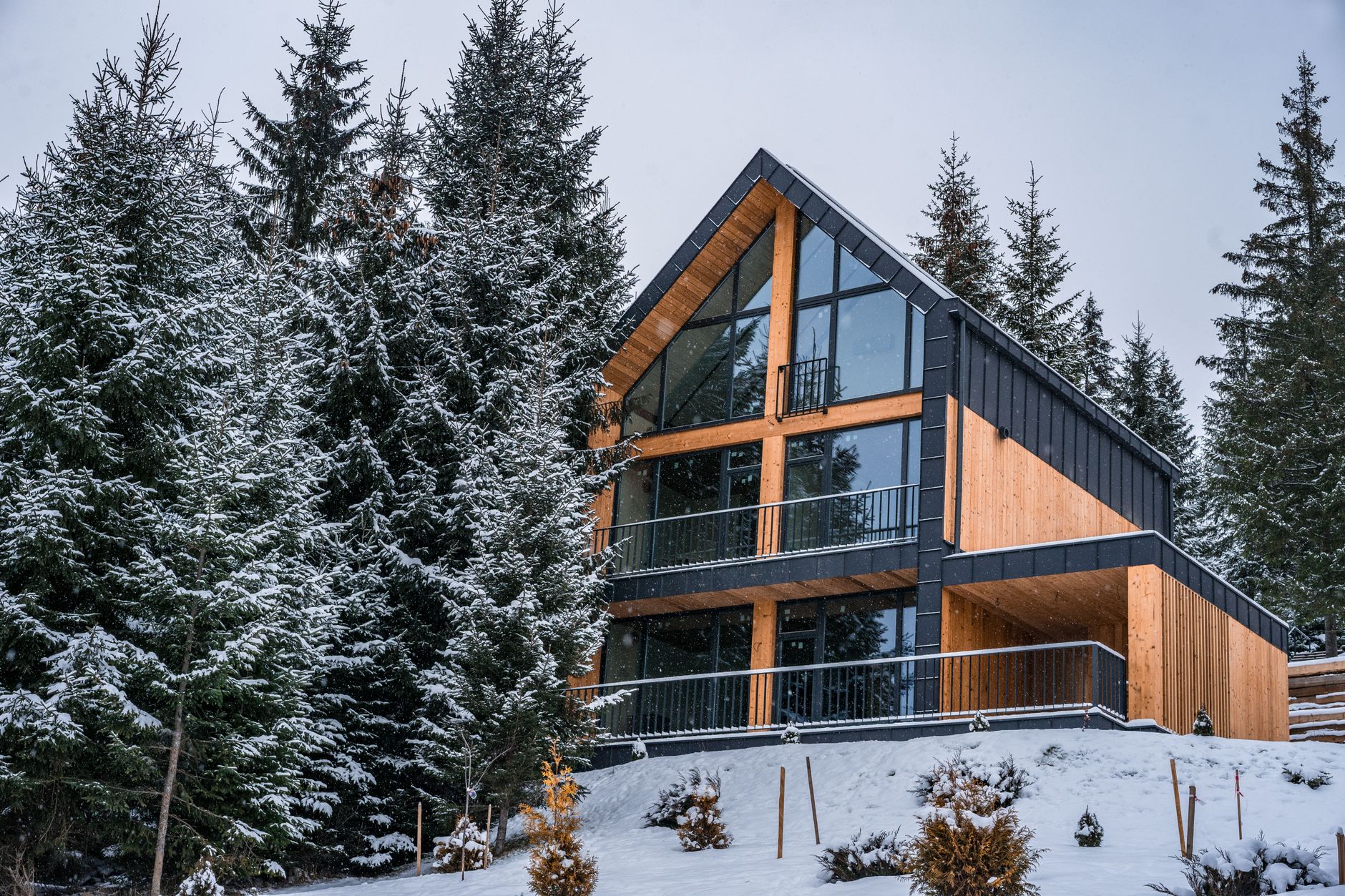
Table of Contents
To arrive at a mountain sanctuary after six hours of climbing is to experience shelter in its purest essence. It is not merely a roof over one’s head; it is an intimate pact between mortal craft and geological permanence.
1. High Altitude Refuges as Living Classrooms
Perched upon windswept ridges 2,400 meters above sea level, contemporary mountain shelters in South Tyrol and the Swiss Grisons are quietly revolutionizing how we think about vernacular architecture. Far from the rustic cliché of dark log cabins, the new generation of refuges relies on precise solar orientation, prefabricated larch modules, and zero-impact foundations anchored directly into bedrock.
These shelters exist with dual identities: warm havens for tired mountaineers seeking a bowl of barley stew, and rigorous testbeds for sustainable engineering where water recycling and passive ventilation are not optional luxuries, but survival mandates.
2. The Dialogue Between Larch and Dolomite Stone
The choice of materials tells the story of the valley below. Larch wood, harvested in accordance with lunar cycles during the winter dormancy period, possesses natural resin densities that resist decay without chemical sealants. Over decades of exposure to alpine sun and blizzards, it oxidizes from honey gold into a stately silver-gray that mirrors the limestone cliffs behind it.
"A building in the mountains must not compete with the horizon. It should simply lean into the topography like a boulder resting after a slow descent."
3. Passive Solar Dynamics in Harsh Climates
By situating expansive triple-glazed apertures toward the southern quadrant, these shelters harvest direct winter thermal energy while deflecting the fierce northern katabatic winds. Heavy soapstone stoves situated in the common refectory absorb this heat throughout daylight hours, radiating comforting warmth into dormitory lofts long after twilight falls.
4. Guidelines for Visiting High Mountain Havens
When booking passage at these remote huts, mindful travelers observe regional mountain etiquette: carry away every gram of refuse, book berths months in advance to avoid food waste calculations, and respect the silence of the alpine evening once communal lights are dimmed at ten.
Receive Our Complete Mountain Notebooks
Subscribe to our private mailer for full elevation maps, refuge contacts, and seasonal trail updates.
Inquire About Travel Dispatches